Photo by Arlene Koziol
The Wisconsin Monarch Collaborative (WMC) is a community of monarch conservationists: individuals and community members, Master Naturalists and Master Gardeners, teachers, researchers, land managers, non-profit organizations… anyone! who is passionate about protecting and bolstering monarchs. The WMC has no paid staff, just lots of volunteers with big hearts and ambitions.
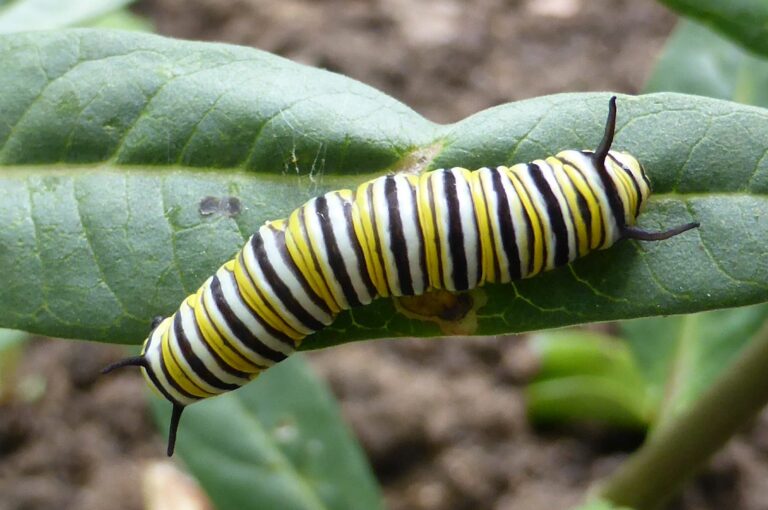
The main emphasis of the Collaborative’s work is HABITAT, both in the form of milkweed stems for eggs and caterpillars, and a diverse matrix of nectar plants that provide food for the adults. We need both, we need it everywhere, and we need your help!
WANT TO JOIN IN? There is no requirements or membership process to joining the Collaborative. If you care about monarchs and are doing something to help them, great! You’re a part of this Collaborative!
The Wisconsin Monarch Collaborative was formed in 2017 to bring together researchers, land managers, nonprofits, and interested citizens to promote monarch collaboration in Wisconsin. The Collaborative has been made up of over 50 partner organizations and agencies, representing a wide range of people working together to conserve monarchs and their habitat.
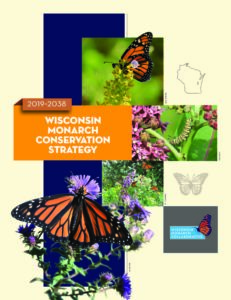
Our primary goal is to work together to increase monarch habitat throughout the state by educating folks across our interest groups about the importance of pollinator habitat. As part of the 2019-2038 Wisconsin Monarch Conservation Strategy, developed by WMC, we set a goal of increasing the number of milkweed stems in the state by 119 million by 2038.
In mid-2025, the Collaborative evolved to become more inclusive, meaning anyone, anywhere in Wisconsin can be part of this team. We hope you’ll join us in working towards that goal!
Mission: To facilitate conservation and recovery of monarch butterflies and their habitat in Wisconsin.
Vision: To empower organizations and individuals to conserve monarchs through habitat creation and enhancement by providing technical expertise, information, and resource sharing between partners and the public, and coordination with other local, regional, and national monarch conservation efforts.
Goals: Our goal is to increase the quantity of native milkweed and nectar plants across the Wisconsin landscape through habitat creation and enhancement, communications and outreach, and research and monitoring. The goal of the Collaborative is to provide coordination and technical resources for public and private landowners to voluntarily add and enhance monarch habitat, share success stories, and track progress as individuals and organizations in Wisconsin to help in the national effort to proactively recover monarchs.
Sixteen states along the eastern monarch population’s migration path from southern Canada to central Mexico, including Wisconsin, voluntarily implement the Mid-America Monarch Conservation Strategy which outlines regional goals for species recovery. The Wisconsin Monarch Collaborative is part of a larger network of conservation efforts!
The Collaborative identifies these six areas as priorities for success:
Photo by Scott Stipetich
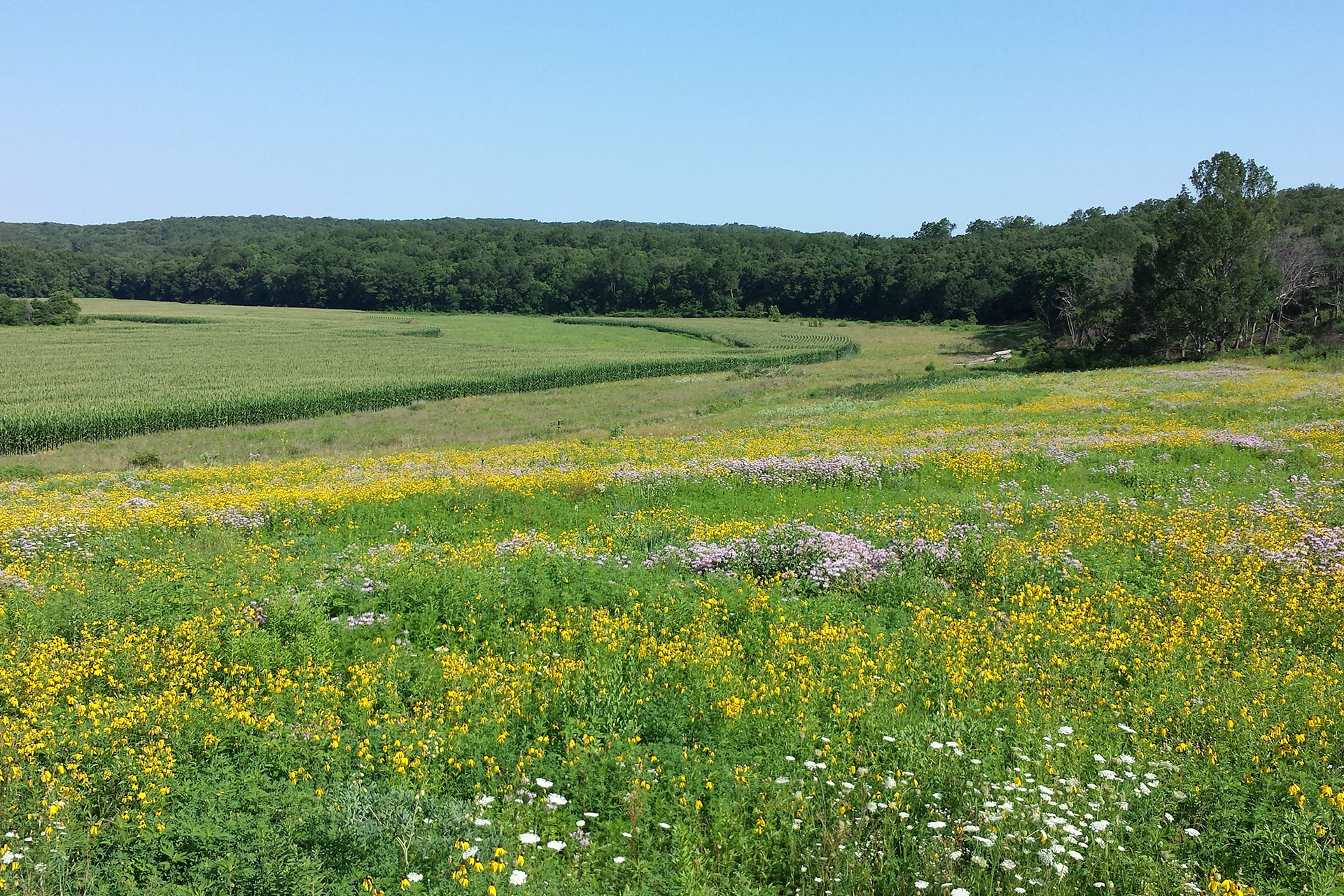
Agriculture is the dominant land use within the monarch butterfly’s midwestern summer breeding range. Privately-owned farmland provides the single largest opportunity to create the widely distributed patchwork of habitat needed to grow monarch populations.
Field buffers, ditch banks, farmsteads, private roadways, and unproductive areas of farms all offer potential sites for various species of milkweed and other forbs needed to sustain not only monarchs but also the multiple bee species needed to pollinate many crops.
Photo by Arlene Koziol
Communications and outreach strategies are key to successful conservation efforts. We work to provide cohesive messaging and outreach tools, and inspire people and organizations to take action in this voluntary effort.
Photo by Michael R. Perry
Transportation and utility rights-of-way (ROWs) have been identified as unique opportunity areas for monarch and pollinator habitat conservation at the landscape level. ROWs encompass thousands of acres of land, intersecting much of Wisconsin’s landscape. These systems are typically managed for the safe and efficient transport of goods, services and/or people.
However, with minor modifications to routine practices, ROWs can also be managed to promote monarch and pollinator conservation by creating, enhancing and maintaining diverse habitats.
Photo by Natalia Jones
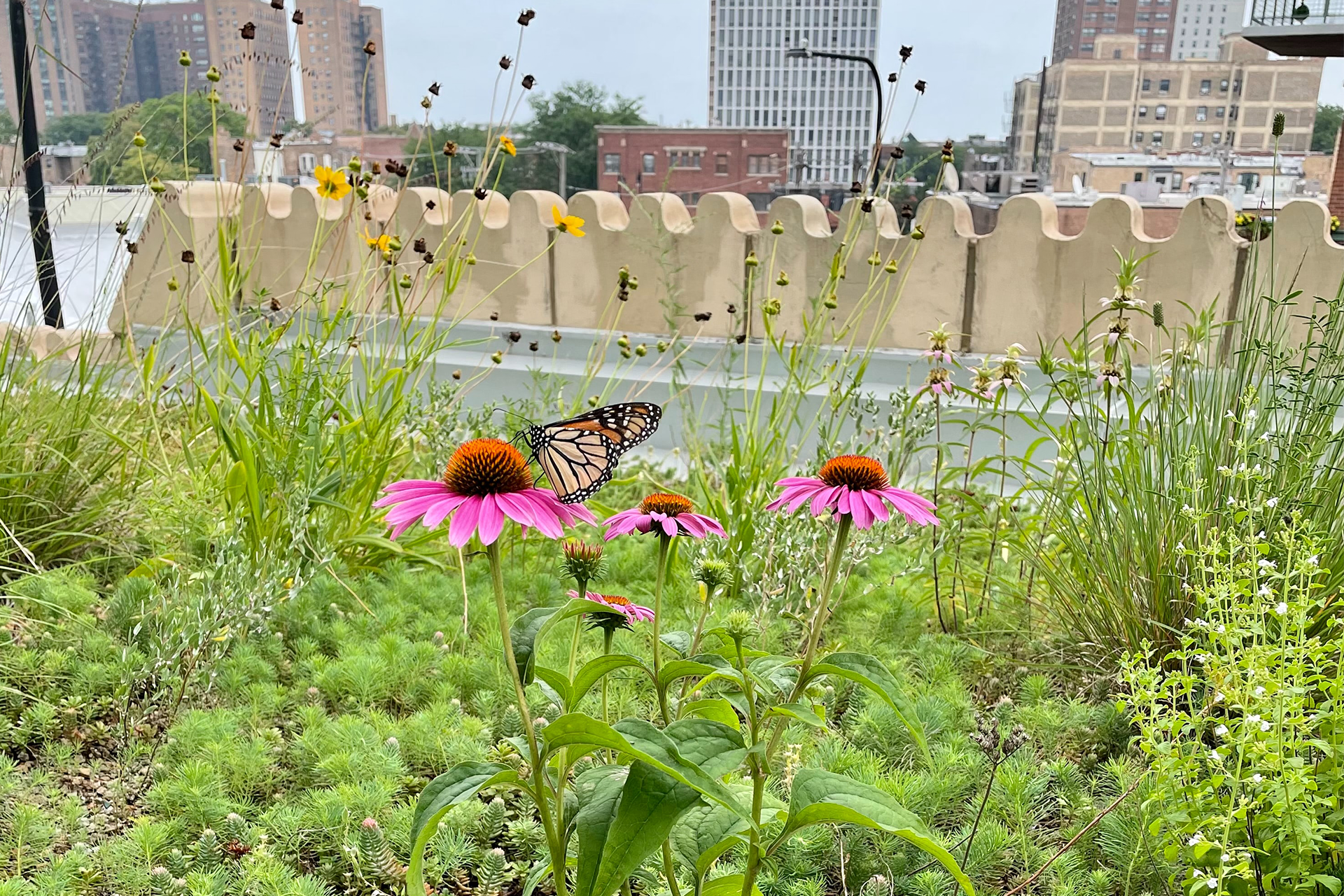
Urban landscaping and greenspaces like public parks offer great opportunities to support monarchs. Simple choices of which plants to install into a flowerbed at a park’s entrance or along the foundation of a house can provide nectar sources and milkweeds for egg-laying.
With education and better availability of native plants, homeowners and greenspace managers can play a crucial role in providing monarchs with the resources that they need to thrive in our urban, suburban, and rural residential environments.
Photo by Rebecca Siegel
Currently tens of thousands of acres of permanently protected land by state, federal, county, and local units of government; land trusts; conservation organizations; and tribes are or could provide monarch rearing and fall nectar habitat. Many of these acres are already being managed for wildlife, and with additional work the lands can also greatly benefit monarchs and other pollinators.
A combination of new plantings, interseeding, and habitat management will increase or maintain use by monarchs. In addition to planting milkweeds, all projects should include species that benefit pollinators and bloom throughout the growing seasons, especially those species that monarchs nectar on in fall migration.
Photo by Brenna Wiesner
To best support monarch butterfly recovery in the state, activities and efforts need to be supported by the best available science and be responsive to changes on the ground. A comprehensive recovery plan should include ways of incorporating research and monitoring in guiding statewide efforts. Moreover, as the Wisconsin Monarch Conservation Strategy is focused primarily on the addition of milkweed plants embedded in a matrix of diverse nectar plants, we all should utilize information from citizen science projects that inform where habitat efforts should be focused and measure the success of such efforts.