
Following the Migration
by Karen Oberhauser for the Wisconsin Monarch Collaborative
Our late September update introduced the 30 Goose Pond Sanctuary monarchs, radio tagged the first weekend in September. These important butterflies were carrying tiny solar-powered transmitters (Blū+ tags) that weigh about as much as a grain of rice. They send location signals that can be detected by Bluetooth-enabled phones up to about ¼ mile away. The transmitters send signals as long as sun hits them; if a butterfly dies and falls to the ground, it can no longer be detected.
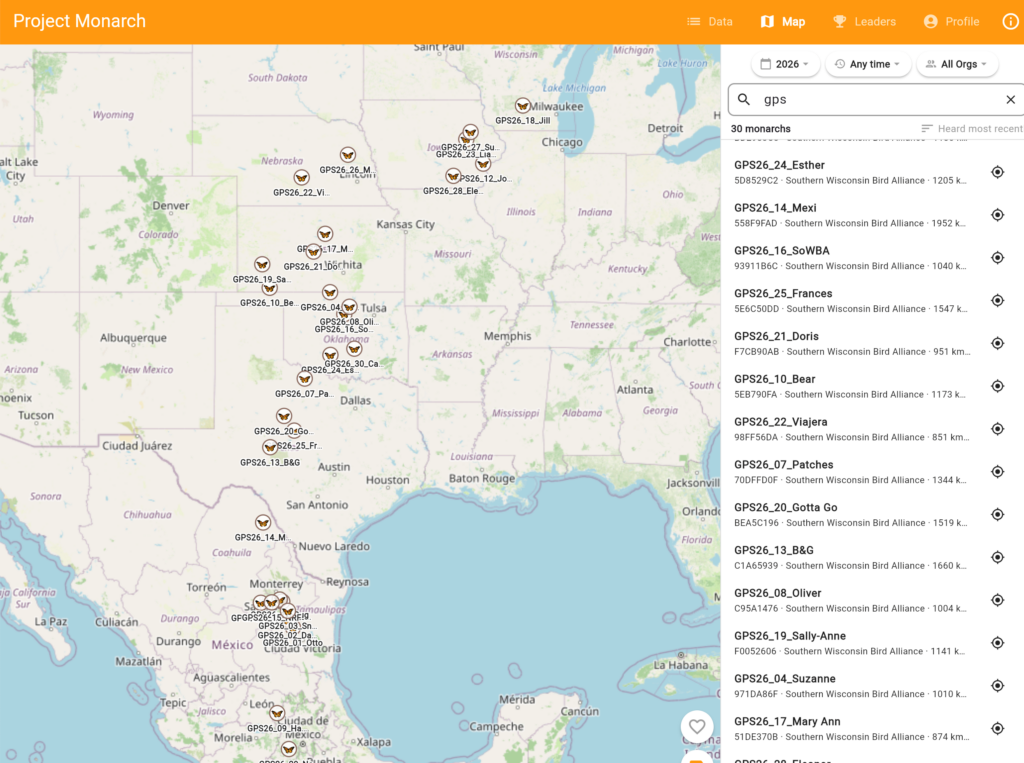
Figure 1. Location on November 14 of all monarchs tagged on September 5 and 6 at Goose Pond Sanctuary, a Southern Wisconsin Bird Alliance Preserve.
When we wrote that report, the monarch called Gotta Go had traveled the farthest and was in Oklahoma, just north of the Texas border. Unfortunately, we haven’t heard from Gotta Go for 40 days; she appears to have made it to central Texas (Figure 2 Left). But several Goose Pond monarchs are still sending signals and have made it well into Mexico. Hambone (Figure 2 Right) is probably roosting in his or her winter home, despite taking an early “wrong turn” (but who are we to say what’s right and wrong for these amazing navigators?) to the north, and several other monarchs aren’t far behind. The monarchs just south of Monterrey (see maps below or visit the Project Monarch App and filter for GPS [Goose Pond Sanctuary]) are still sending signals.
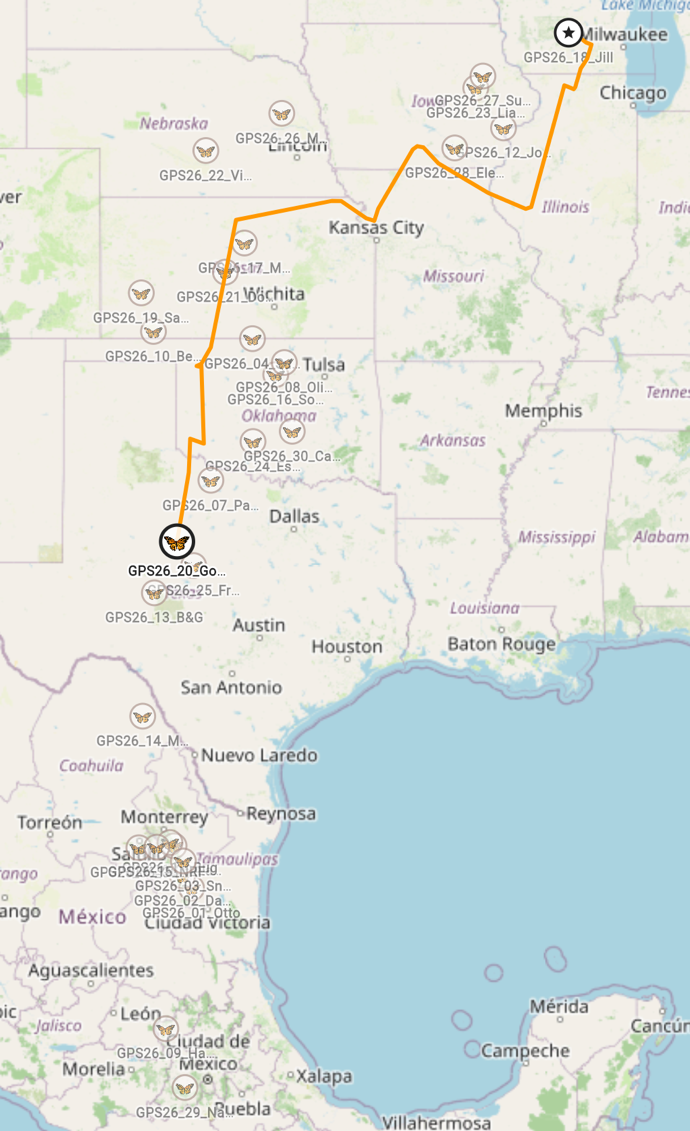
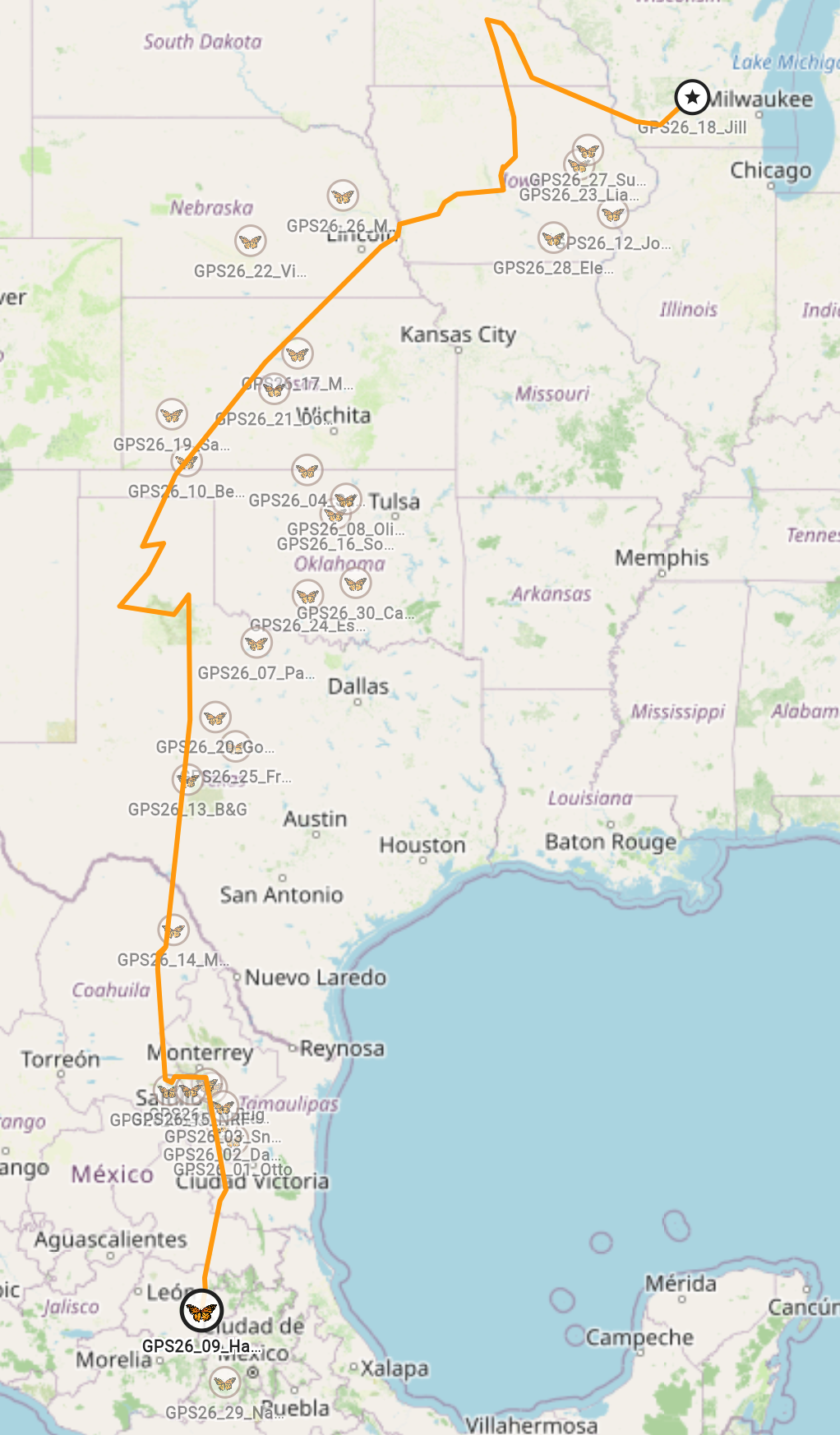
Figure 2. Locations of Gotta Go (left) and Hambone (right) on November 14, tagged at Goose Pond Sanctuary.
These butterflies, and the tags they’re carrying, are teaching us about the sometimes-circuitous paths monarchs take as they migrate south in the autumn, the habitat that they move through, and where they spend a few days, perhaps fueling up with nectar in gardens and grasslands tended by groups and individuals who care deeply about the natural world.
Monarch Larva Monitoring Project Update from Wisconsin
Monarch Larva Monitoring Project volunteers document monarch egg and larva density throughout the time that monarchs are in the state. The four graphs in Figure 3 show their data from the past four years. 2026 started out late and with low densities but almost caught up to 2023 and 2025 in July. 2024 started high, but the population dropped in mid-summer.
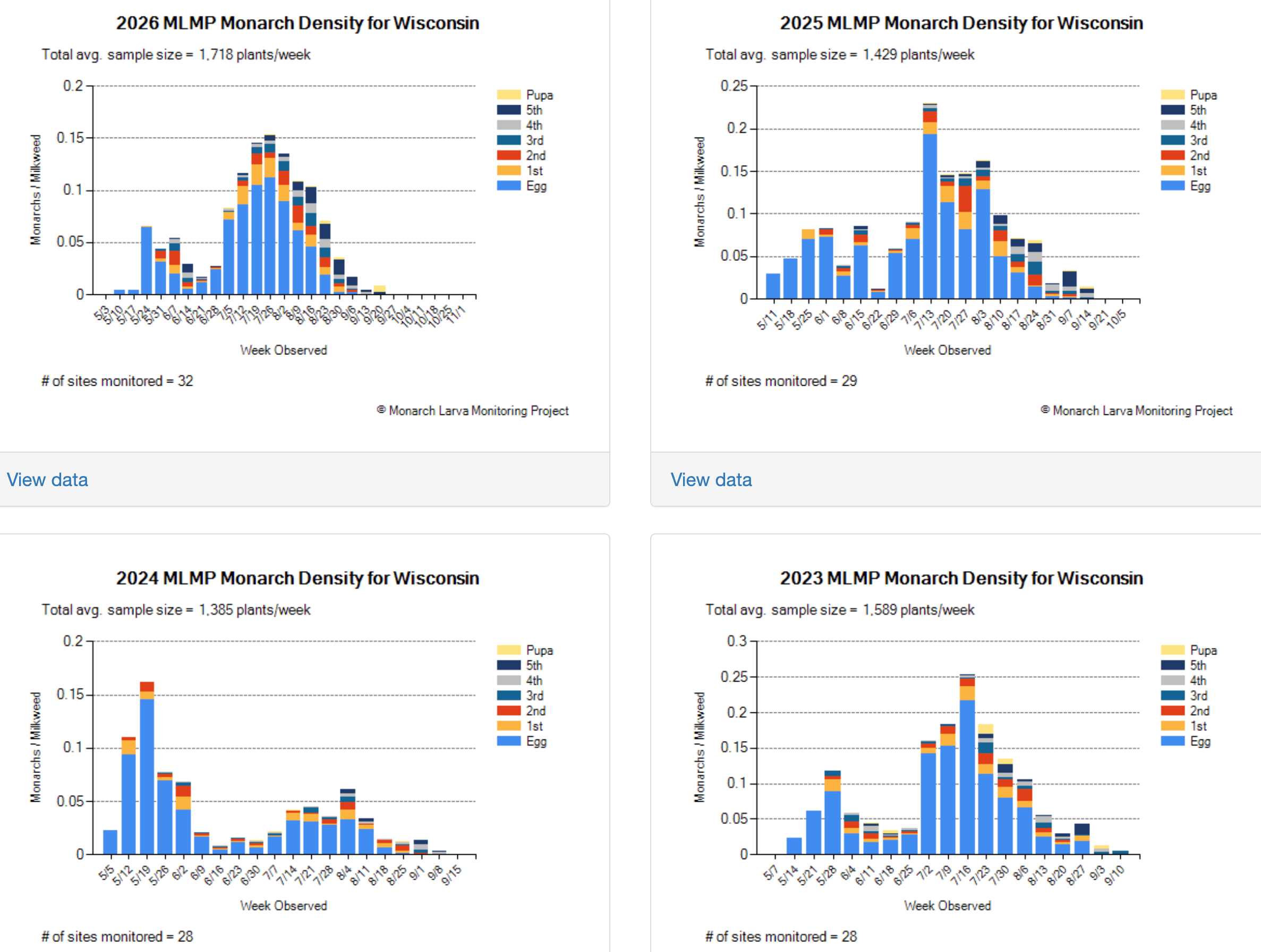
Figure 3. MLMP data from the last four years. The dark blue line on each graph represents 0.15 monarchs per plant to allow easier comparison on the graphs, which have different y-axis scales to account for annual variation. The second peak in 2026 is slower than it was in 2025 and 2023, but higher than it was in 2024. For clearer images visit the MLMP results page.
Monarchs Arriving at the Overwintering Sites, with Late Reports in the Upper Midwest!
Estela Romero, reporting to Journey North, noted the first arrival of monarchs in their overwintering area on October 31, close to the traditional arrival date of November 2 (Dia de los Muertos, or Day of the Dead). By November 11, Estela reported “Frequent, continuous, and considerable numbers arriving”.
Monarchs will continue to arrive at the overwintering sites throughout November and December. A Journey North observer reported a monarch in Eau Claire WI on November 1 on late-blooming asters, and the last monarch reported to Wisconsin Butterflies was seen at the Forest Beach Migratory Preserve in Ozaukee County on November 5—after the first butterflies were finishing their long journey. These late butterflies have a chance of making it to Mexico if they can find nectar along the way, but their chances are worse than the ones who had a head start. And the odds aren’t great for the five monarchs I found as fifth instar larvae in my Madison WI garden on October 14. I brought them inside to give them slightly warmer conditions to finish their metamorphosis, and they emerged as butterflies on November 2, 3 and 4.
More Monarch News
Here’s a link to a podcast on the prairie, featuring Brenna Marsicek, Outreach Director to the Southern Wisconsin Bird Alliance and the Wisconsin Monarch’s Safe for Monarchs program. Brenna talks about why Wisconsin is uniquely critical to monarch conservation, and how we can help monarchs in our state.
Thanks!
Thanks to everyone with blue-tooth enabled phones who have provided the data for Project Monarch, Project Monarch developers and supporters, Goose Pond Sanctuary taggers, reporters to Wisconsin Butterflies, Monarch Larva Monitoring Project volunteers throughout the North America and especially in Wisconsin, and Journey North volunteers for providing the above data.
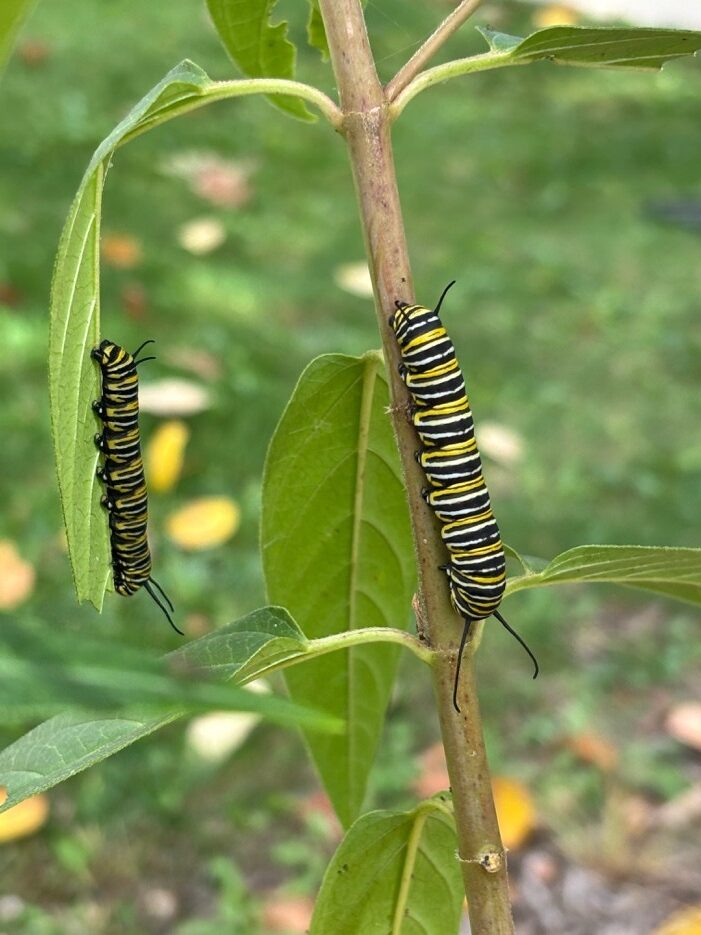
Figure 4. Late monarchs in a Madison Wisconsin yard on October14.